

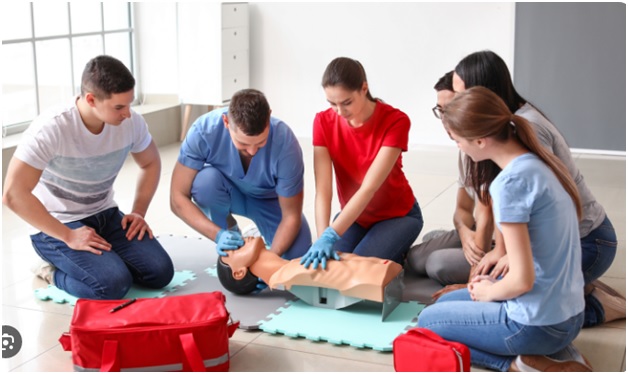
Caring for children in a medical emergency requires patience, clinical knowledge, and the ability to make timely decisions. Unlike adults, children have different physiological needs, and their medical conditions may develop or present differently. Healthcare professionals must therefore understand how to recognize warning signs and respond appropriately when a young patient needs immediate attention.
Specialized education helps medical professionals develop the knowledge and practical abilities needed to manage these situations. Paediatric emergency courses focus on assessment, resuscitation principles, and effective communication during critical incidents. For healthcare workers looking to strengthen their clinical expertise, paediatric life support training in Dubai can be an important step toward professional development.
Why Paediatric Emergency Education Is Important
Children may experience medical emergencies due to respiratory difficulties, cardiac complications, severe infections, or other serious health conditions. Managing these situations requires an understanding of age specific assessment and appropriate emergency care procedures.
Healthcare professionals who work in hospitals, clinics, emergency departments, and paediatric units need to remain familiar with recommended treatment practices. Structured education helps them recognize potential complications, understand emergency priorities, and respond with greater confidence.
It also emphasizes the importance of teamwork. During a paediatric emergency, doctors, nurses, and other medical professionals must communicate effectively to coordinate patient care.
What Does Paediatric Life Support Training Cover?
A comprehensive learning program introduces participants to essential concepts involved in managing critically ill or injured children. The exact curriculum depends on the training provider and certification program, but several important areas are commonly addressed.
Paediatric Patient Assessment
Understanding how to assess a child’s condition is an important part of emergency management. Participants learn about identifying signs of respiratory distress, circulation problems, and changes in responsiveness.
Cardiopulmonary Resuscitation
CPR is an essential skill in emergency healthcare. Training introduces appropriate resuscitation techniques for infants and children, including the importance of effective chest compressions and ventilation.
Airway and Breathing Management
Respiratory problems can become serious in children. Learning about airway assessment, breathing difficulties, and appropriate emergency interventions helps healthcare professionals understand how to approach these situations.
Recognition of Cardiac Emergencies
Participants develop an understanding of serious cardiac conditions and the importance of timely intervention. They also learn about emergency response procedures and the role of coordinated clinical care.
Team Communication
Successful emergency management requires healthcare professionals to work together. Training highlights the importance of clear instructions, assigned responsibilities, and effective communication during stressful situations.
Understanding Pediatric Advanced Life Support Education
Paediatric emergency care requires specialized knowledge because infants and children have different clinical requirements from adults. Pediatric advanced life support training in Dubai provides healthcare professionals with an opportunity to study emergency response principles specifically related to younger patients.
Such education generally focuses on recognizing life threatening conditions, understanding resuscitation procedures, and managing critical situations through a coordinated team approach.
Practical learning can also help participants become more familiar with emergency scenarios and understand how theoretical knowledge is applied in clinical environments.
Healthcare professionals should check the course curriculum and issuing organization before enrolling to ensure that the program matches their professional responsibilities and certification needs.
Who Should Consider This Training?
Specialized paediatric emergency education may be useful for healthcare professionals who regularly care for infants and children.
Some of the professionals who may benefit include:
- Paediatricians and medical doctors.
- Registered nurses working in paediatric departments.
- Emergency department healthcare professionals.
- Intensive care and critical care staff.
- Paramedics and eligible emergency medical personnel.
The appropriate course depends on an individual’s qualifications, professional responsibilities, and the eligibility requirements established by the training provider.
Benefits of Developing Paediatric Emergency Skills
Professional education offers several benefits for healthcare workers involved in child healthcare.
Improved Clinical Awareness
Learning about paediatric emergencies helps professionals become more familiar with warning signs and the importance of early assessment.
Better Emergency Preparedness
Understanding emergency procedures can help healthcare workers approach challenging clinical situations with greater preparation.
Stronger Team Coordination
Paediatric emergencies often require collaboration between different medical professionals. Training encourages effective communication and organized teamwork.
Continued Professional Development
Additional education allows healthcare professionals to strengthen their existing knowledge and remain familiar with current emergency care recommendations.
Choosing the Right Training Institute in Dubai
Finding a suitable training provider is an important part of professional education. Healthcare professionals should consider the course content, instructor qualifications, practical learning opportunities, and certification arrangements before making a decision.
It is also helpful to review the eligibility criteria, training schedule, assessment process, and recognition of the certificate. These details can help participants select a program that meets their professional requirements.
CNA Training Institute is a starting point for healthcare professionals interested in exploring available training opportunities. Visitors can review the information on its official website and contact the institute to confirm whether a suitable paediatric life support program is available, along with its course details and enrollment requirements.
The Importance of Continuous Learning in Child Healthcare
Medical knowledge and emergency care recommendations continue to develop. Healthcare professionals need to remain committed to learning so they can maintain their clinical understanding and respond appropriately to changing patient needs.
Specialized paediatric education helps reinforce essential skills while providing opportunities to understand emergency procedures in greater detail. It can also encourage professionals to approach patient care with greater awareness and responsibility.
For individuals interested in paediatric emergency care, choosing an appropriate educational program is a practical way to strengthen their professional knowledge.
Conclusion
Children experiencing medical emergencies need timely assessment and appropriate care from trained healthcare professionals. Understanding paediatric emergency procedures, recognizing warning signs, and working effectively as a team are essential parts of clinical preparedness.
Whether you work in a hospital, clinic, or emergency care department, investing in relevant education can help strengthen your professional abilities. Explore suitable paediatric training opportunities through CNA Training Institute and choose a program that supports your experience, qualifications, and career goals.