

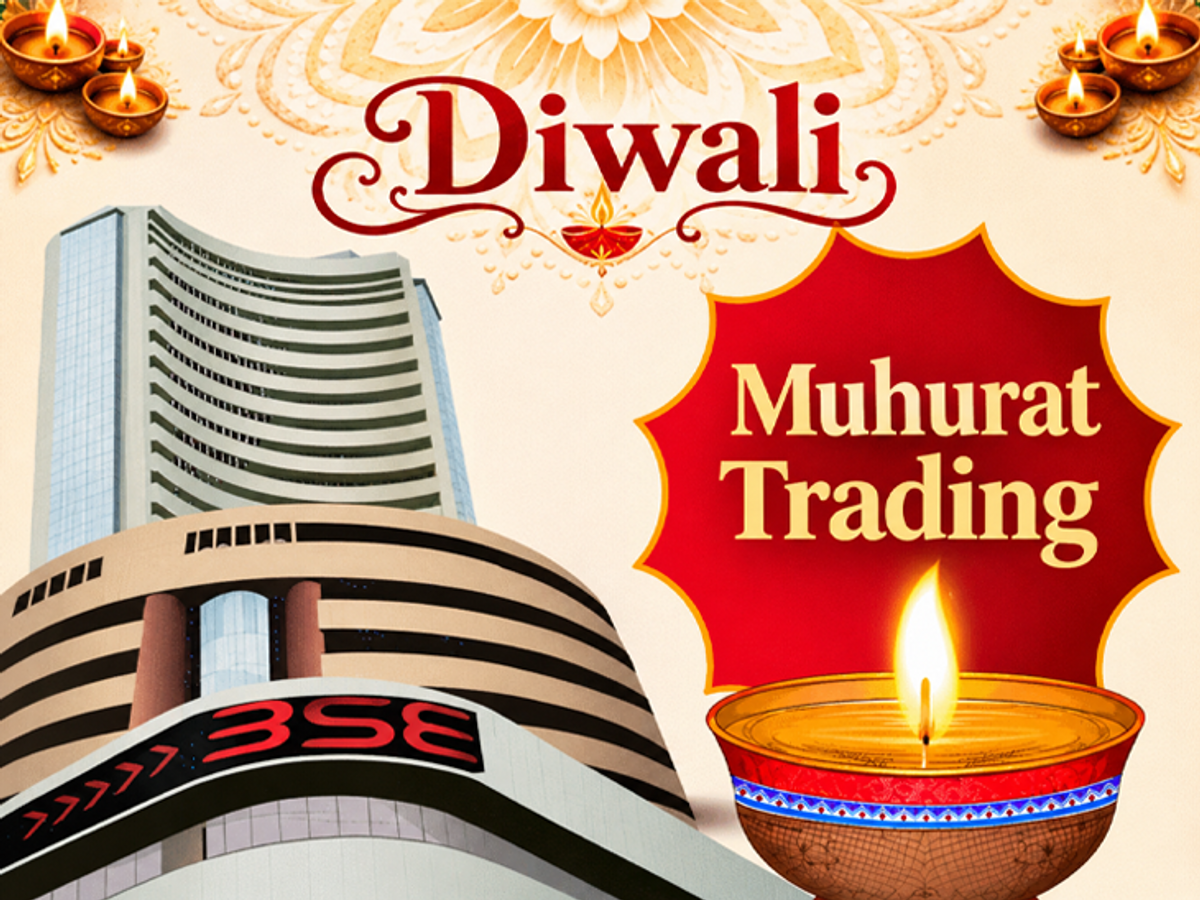
Every year, as Diwali approaches, Indian investors circle one date on the calendar: the special evening session of stock market Diwali muhurat trading. It’s short, usually just an hour, yet it draws more attention than many full trading days. So why do people take part?
What is Muhurat Trading?
“Muhurat” means an auspicious time. Muhurat trading is a special one-hour session held by NSE and BSE on Diwali, the festival associated with Lakshmi Puja and new beginnings. It also marks the start of a new Samvat year in the Hindu calendar.
This year, the exchanges held the session on Sunday, 8 November 2026, from 2:20 PM to 3:30 PM, coinciding with Diwali Laxmi Pujan and the start of Samvat 2083. The timing differs each year depending on the festival date, so investors should always check the official circulars from NSE and BSE.
The Tradition Behind It
For many traders, especially in Gujarati and Marwari business communities, Diwali is the start of the new financial year. Merchants traditionally closed their old account books and opened new ones with prayers to Goddess Lakshmi. The stock market adopted a similar custom: begin the new year by making a trade, even a small one, as a symbol of prosperity.
It’s more ritual than strategy. Plenty of people buy just a few shares for the sake of tradition.
Why investors participate?
- Symbolism. Many see the first trade of the Samvat year as a good omen and want to invest with positive intent.
- Long-term holdings. Some choose to buy a share and keep it for years, treating it as a “Samvat investment” they’ll revisit each Diwali.
- Family tradition. In many households, parents introduce children to investing through a small Muhurat purchase.
- Market sentiment. The session often carries a festive mood, and indices have historically tended to close positive more often than not. That pattern isn’t a guarantee, and past sessions don’t predict future ones.
- Convenience of a short window. Trading hours are brief, so people can take part without a long commitment.
What People Tend to Buy
Many investors choose well-known, established companies for symbolic purchases. You’ll often hear names like Tata Consultancy Services mentioned in these conversations. If you’re wondering about the TCS full form, it stands for Tata Consultancy Services, one of India’s largest IT services companies and part of the Tata group. (In tax discussions, TCS can also mean Tax Collected at Source, so context matters.)
Mentioning a company isn’t a recommendation. It’s simply an example of how investors gravitate to familiar names for ceremonial purchases.
What to Keep in Mind?
Muhurat trading is fun and meaningful, but it deserves the same care as any other session:
- Volumes can be thin. Prices may move sharply on small orders.
- Not a shortcut to profit. The auspicious timing doesn’t change a company’s fundamentals.
- Orders follow normal rules. Settlement, charges and taxes still apply.
- Check the schedule. Pre-open, trading and closing times can differ from regular days.
How to take part:
- Make sure your demat and trading accounts are active and KYC is complete.
- Add funds before the session.
- Decide in advance what you’ll buy and how much.
- Place your order during the window.
- Record the purchase and your reason for it.
Brokers such as SMC Global Securities provide trading and demat services that investors can use for such sessions. If you don’t yet have an account, open one well ahead of next year’s Diwali rather than rushing on the day.
A Balanced View
There’s nothing wrong with treating Muhurat trading as a celebration. Just avoid letting festive enthusiasm push you into large, impulsive bets. A better approach is to use the occasion to start a habit, such as reviewing your portfolio or beginning a small, regular investment.
In Conclusion, investors take part in Diwali Muhurat trading because it blends tradition, optimism and the chance to begin a new financial year with intent. Whether you buy one share or none, understanding why the ritual exists adds meaning to the market’s most colourful evening.